

Bariatric Wheelchairs
Bariatric wheelchairs are created to assist bigger people maintain their self-reliance and mobility. They include strengthened steel frames, greater weight capabilities and more seating alternatives.
To ensure an ideal fit, constantly consult a seating assessment from an occupational or physiotherapist. Picking the ideal chair can lower pressure injuries, enhance quality of life and lower caregiver stress. Look for features like no-lift repositioning to make it easier to rearrange pressure.
Weight Capacity
When picking a wheelchair, it's important to select one with a weight capacity that will accommodate your body type. Basic wheelchairs can usually support as much as 250 pounds, whereas bariatric wheelchairs can deal with as much as 1000 lbs. These tougher, more large chairs are ideal for individuals with higher body weights and deal increased comfort, safety, and mobility.
When considering a bariatric chair, you will desire to discuss your medical needs with your physician in order to make the very best choice for your situation. You will also require to consider the size of your home, employment environment, and everyday activities.
Selecting the right wheelchair is vital to assist you gain back independence. Bariatric wheelchairs are developed with heavier materials and wider measurements than standard wheelchairs to better support the weight of larger people. Typically, they include enhanced steel frames that provide stability and improved sturdiness. They are also constructed with cushioned seats and leg/foot rests, which are adjustable to fulfill private requirements.
A wheelchair that is too narrow can cause skin shearing and put unneeded pressure on hips. Wheelchairs that are too large can cause the legs to rotate inward, which can cause push sores. Depending on bariatric self propelled wheelchair , your doctor might suggest a bariatric wheelchair with a seat width of in between 22 and 36 inches.
Bariatric wheelchairs are also geared up with durable front swivel castors supported by reinforced forks, which provides superior maneuverability over a variety of indoor and outside environments. Additionally, their oversized wheels are fitted with puncture-proof tires to make sure high-performance and extended life expectancy.
In addition to the general construction of a bariatric wheelchair, you will likewise wish to take into consideration its elements and seating features. You should search for a model that provides remarkable pressure redistribution, in addition to breathable fabrics to promote air flow and minimize the risk of skin inflammation. In addition, you should try to find a chair that is easy to tidy and decontaminate, as this will facilitate quicker cleaning up and decreased bacteria accumulation. The quality of the chair's upholstery is also a vital consider its longevity and toughness.
Seating
Compared to basic wheelchairs, bariatric designs have bigger seats that can fit people with broader body frames. These chairs also use additional cushioning to increase convenience for users and ensure stability when in motion. Bariatric wheelchairs can securely support people weighing as much as 32 stone (200kg), depending upon the model. The best bariatric wheelchairs are constructed with durable heavy-duty frames that can endure a broad variety of environments. They also include strengthened side panels to make the most of strength and resilience.
Selecting the ideal wheelchair is an essential action in handling your condition and restoring your independence. Ideally, the chair needs to be comfy adequate to help you perform standard day-to-day tasks without support from caregivers. This can include grooming, eating, and other daily activities. A bariatric wheelchair that focuses on user comfort and safety will have functions like padded desk-length armrests, a cushioned seat, and a steady, resilient base.
In addition to maximizing convenience, choosing a bariatric wheelchair with appropriate seat measurements will lessen the danger of pressure injuries. Typically, the seat width must be around 25mm broader than the widest point of your body. Furthermore, it is crucial to think about the height from the flooring to the back of your knee. These factors will identify how comfortably you can being in the chair and how simple it is to transfer in and out of the wheelchair.
Bariatric wheelchairs are likewise designed with a series of seating choices to accommodate varying user needs. Some designs have recline functions that allow the user to adjust their posture to lower pressure on their joints. Others, such as the Titus Heavy-Duty Wheelchair, come with a power pack to assist caregivers propel the chair with ease. This feature assists minimize wrist tension and the danger of soreness for both the user and the caregiver.
If you are thinking about buying a bariatric wheelchair, talk with your doctor about your medical conditions and level of disability. They can then encourage you on which kind of wheelchair is the best option for your circumstance. It is also worth checking whether your insurance or healthcare provider covers the cost of this equipment.
Adjustability
Bariatric wheelchairs are built to permit large-sized users to maintain their mobility and self-reliance. They provide the freedom to perform errands and see loved ones without having to wait for someone else to take them out or risk their own security by entering into a hazardous automobile. They also help them maintain a better psychological health by enabling them to interact with other individuals rather than investing more time separated at home.
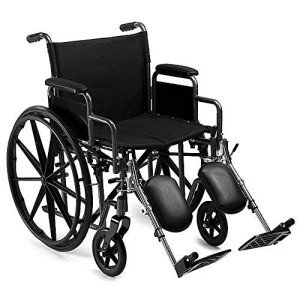
Unlike standard wheelchairs, bariatric chairs have higher weight capabilities and are normally larger and have broader seats. These chairs are developed to be comfy for users by utilizing customized adjustments that cater to numerous body sizes. They offer increased assistance around the gluteal area, assisting to enhance posture and balance and lowering pressure injuries. They likewise have a no-lift repositioning function that helps lower caregiver strain and guarantees a dignified transfer for the user, making them more independent.
While many people with weight problems need using a bariatric wheelchair, not everyone requires one. Some might be considered obese by having a BMI (Body Mass Index) of 30 or more however do not have any medical conditions that affect their ability to move.
Choosing the very best wheelchair for your individual requirements requires time and factor to consider. If you're not sure which wheelchair is the ideal option for your individual requirements, we recommend contacting us to organize an assessment and presentation of our series of products. We have a team of skilled biomedical professionals prepared to assist, and can customize our services to your specific requirements.
We're dedicated to delivering quality health care services to our customers and guaranteeing their fulfillment. That's why we stock a large range of wheelchairs, including bariatric models, and can help you find the best fit. We can likewise provide upkeep and repairs for your wheelchair, including casters, footboards and headboards. We can service all significant manufacturers and designs of hospital beds. We are completely trained and recognized by all leading makers and can repair a variety of various types of bariatric wheelchairs. We'll even assist you select a brand-new wheelchair if essential, and will work with you to find the very best service for your requirements.
Mobility
Bariatrics is the medical field that addresses obesity and provides treatment choices consisting of diet, exercise, medication, surgical treatment, treatment and more. Individuals who are overweight face major health threats, so it's essential for them to preserve a healthy weight and to remain active. A sturdy wheelchair is an outstanding method to assist these people do just that. These chairs are specially developed to accommodate larger users and their distinct needs, offering them a comfortable trip and assisting them keep self-reliance.
Compared to standard wheelchairs, these designs have larger seats and a greater weight capacity to supply a more protected and comfortable riding experience for more considerable users. The seats and back-rests are typically strengthened to provide additional assistance for the upper and lower body, while many have adjustable features to allow users to customize their positioning and convenience. In some cases, the chair can also be slanted to accommodate pulmonary and cardiovascular conditions, which require a particular positioning of the backrest for efficient treatment.
Another consideration is that a bariatric wheelchair can offer more mobility abilities than a basic design, which is practical for clients with impaired balance and stability who desire to have the ability to go outside of their home or neighborhood. This enables them to remain connected with household, buddies and the regional neighborhood without needing to rely on others for transportation or limiting their activities.
As with any piece of equipment, correct maintenance and care are vital for ensuring that a bariatric wheelchair can last as long as possible and continues to use the user extraordinary comfort and functionality. This includes regularly examining and cleaning up the wheelchair to avoid fractures and damages in the frame, in addition to checking and changing worn elements like wheels.
At Broda, we provide a suite of wheelchairs and shower commodes that meet the requirements of bariatric users with a weight capacity approximately 800 pounds. Our Revive bariatric power wheelchair, for example, is an excellent choice for addressing a client's distinct mobility requirements and permitting them to enjoy a more active way of life. It includes detachable arm and lateral supports to streamline side transfers and enhance caretaker ergonomics, as well as a cushioned seat and back that can be tilted approximately 30 ° to ease pressure on the legs and minimize the risk of skin breakdown.